Elon Musk appears to be moving away from his vision of a solar-powered economy, as evidenced by recent developments at his companies. The latest SpaceX IPO filing suggests a significant shift in strategy.
Historically, Musk has championed the electrification of the economy through Tesla's Master Plans, emphasizing a transition from fossil fuels to solar energy. However, xAI, one of Musk's ventures, is now heavily investing in natural gas, planning to acquire numerous unregulated turbines to power its data centers.
This decision marks a stark contrast to Musk's earlier commitments to clean energy. While xAI has made substantial purchases of Tesla's battery storage systems, it has not significantly invested in solar panels from Tesla.
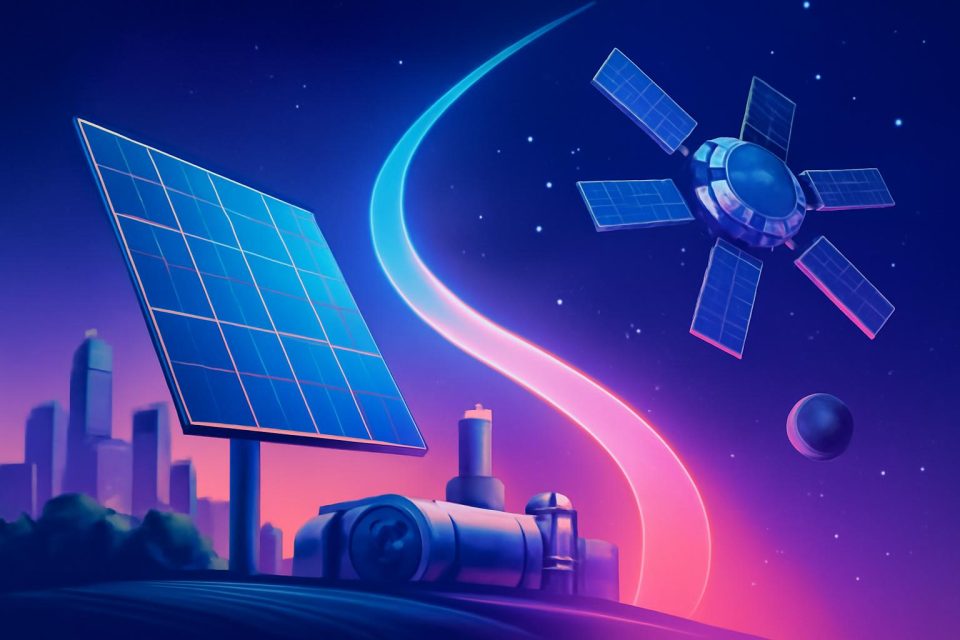
Interestingly, the SpaceX filing does mention solar power, but only in the context of space. SpaceX envisions that solar arrays in orbit could generate significantly more energy than those on Earth, due to constant sunlight availability. This has led Musk and other tech leaders to consider deploying data centers in space.
Despite the potential for space-based solar power, the economics remain challenging. The costs associated with launching and maintaining data centers in orbit are considerably higher than terrestrial operations. Moreover, the feasibility of distributing AI workloads across multiple satellites presents additional complications.
Musk seems to view xAI's current data centers as temporary solutions until a more sustainable option in space becomes viable. However, the risks of this strategy are significant, particularly if the anticipated technological advancements do not materialize.
Concerns about the growing demands of AI computing are also evident in Musk's recent statements. He notes that the energy requirements for AI could soon exceed current terrestrial capabilities, suggesting a need for innovative solutions.
While Musk's ambitions for space-based energy are bold, there are practical considerations. Transporting solar panels on Earth is likely more energy-efficient than launching them into orbit. Additionally, the manufacturing challenges associated with producing space-ready solar technology must be addressed.
Ultimately, while pursuing ambitious goals in space, there remains substantial untapped potential for solar energy on Earth. A balanced approach could yield significant benefits in both realms.
Three years ago, Musk outlined a comprehensive plan to eliminate fossil fuels. A logical first step could involve re-evaluating the energy sources for xAI's data centers.