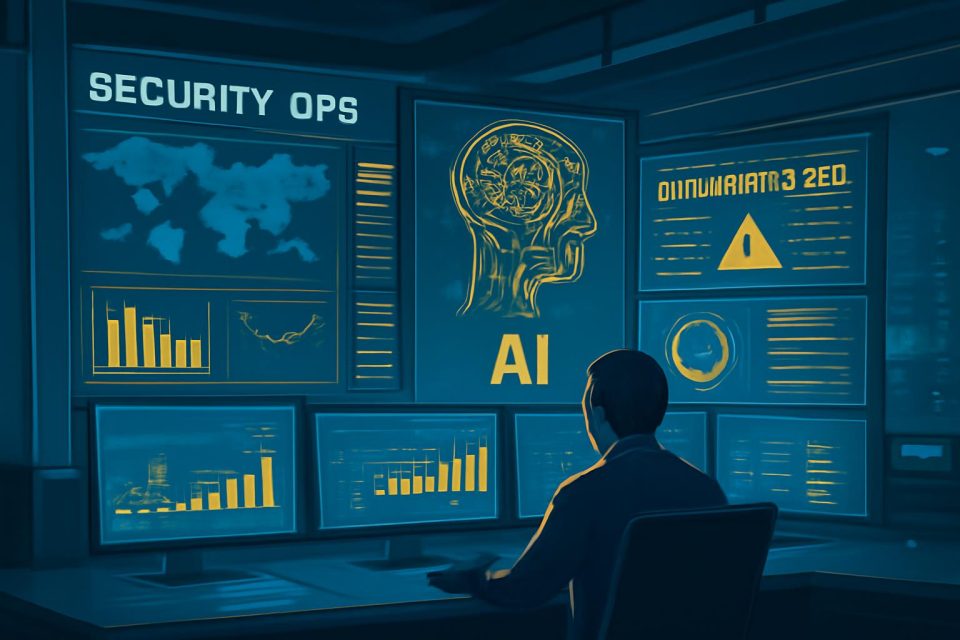
Usman Chaudhary, Field CISO at Google Public Sector, provides a comprehensive guide for Chief Information Security Officers (CISOs) tasked with protecting government agencies and critical infrastructure. The rapid evolution of AI technology presents both challenges and opportunities for these leaders as they work to enhance security measures.
As organizations grapple with complex systems and the imperative to adopt AI, it is crucial to move beyond reactive security measures. This guide offers a structured approach to building an AI-ready security program, focusing on immediate actions and long-term strategies.
Immediate Actions: Months Zero to Six
Building an AI-ready security program is a progressive journey. The following high-value use cases can be implemented immediately or within six months:
- Executive Alignment and Business Justification:
- AI-Driven Board Reporting: Transform complex data into clear business impacts, highlighting metrics that matter to stakeholders.
- Vendor and Spend Optimization: Utilize AI to analyze vendor contracts and identify redundancies for budget efficiency.
- Process Optimization and Toil Reduction:
- Automated Context Gathering: Implement AI tools to streamline data collection and alert triage, improving response times.
- Threat Intelligence Analysis: Automate the processing of industry advisories to focus on relevant threats.
- SOP Mapping and Agent Creation: Create AI agents to document and automate frequent manual processes.
- Talent Upleveling and Augmentation:
- Natural Language to Query Generation: Equip analysts with AI tools that convert plain language into executable queries.
- AI-Driven Security Training: Use reclaimed time for hands-on training exercises tailored to the organization’s architecture.
Strategic Goals: Months Six to Twelve
As operational burdens lessen, the focus should shift toward proactive measures and structural integration:
- Posture Elevation and Threat Hunting:
- Contextual Vulnerability Prioritization: Deploy AI to assess vulnerabilities based on real exposure risks.
- AI-Assisted Architectural Threat Modeling: Use AI during the design phase to identify potential risks before development begins.
- Proactive Threat Hunting: Implement AI to generate hypotheses and guide investigations.
- Continuous Red Team Agents: Utilize autonomous agents to test defenses and provide feedback for improvement.
- Advanced Governance and Incident Response:
- Policy and Compliance Gap Analysis: Use AI to ensure new projects align with regulatory requirements.
- Interactive Incident Response Playbooks: Train AI agents on historical incidents to provide real-time guidance during crises.
- Secure Code Review: Integrate AI into CI/CD pipelines to catch vulnerabilities before code deployment.
- Autonomous Defense: Develop AI workflows to identify and patch vulnerabilities swiftly.
Next Steps
The transition to an AI-enhanced security framework may seem daunting, but the tools and technologies available today make it more accessible than ever. Organizations are encouraged to start small by implementing one quick win from the roadmap, such as automating alert triage or documenting standard operating procedures.
By focusing on structured automation and rapid governance, CISOs can effectively manage modern threats while alleviating the operational burden on their teams. The journey toward an AI-ready security program is not only necessary but also achievable.
For further insights, the upcoming Security Talks online event on June 10 will provide additional resources and discussions on this topic.