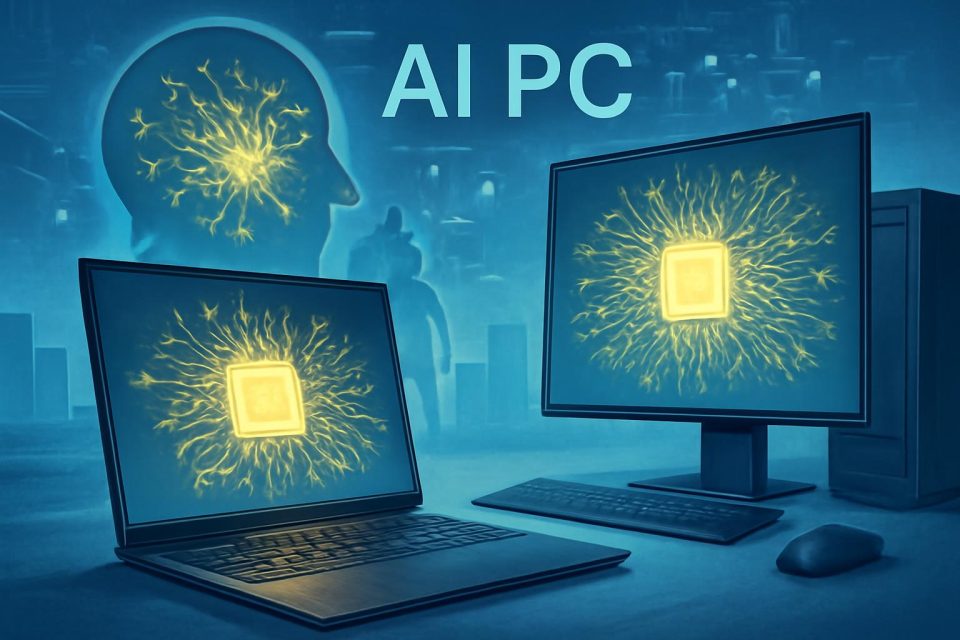
Nvidia is making strides in the realm of personal computing with the introduction of AI PCs, powered by a new chip designed for local processing. This initiative, led by CEO Jensen Huang, aims to integrate artificial intelligence capabilities directly into laptops and desktops, catering to a growing demand for more efficient computing solutions.
Recent reports indicate that AI-optimized computers are already influencing market performance. For instance, HP noted an increase in its quarterly results attributed to AI PCs, while Dell expressed that the anticipated demand from the AI boom has not yet materialized.
Understanding AI PCs
AI PCs are designed to process data more efficiently than traditional computers, enabling them to handle a wider array of AI tasks directly on the device. This includes functionalities like chatbots and even local training of AI models, which typically require extensive server resources.
Key Features and Technologies
The new Nvidia RTX Spark chip, developed in collaboration with MediaTek, is central to this innovation. It enables PCs to run AI agents locally, reducing reliance on cloud computing. This shift is particularly appealing as more users turn to generative AI for everyday tasks.
Market Impact
HP reported that AI PCs constituted 44% of its PC shipments in the second quarter, a significant rise from 35% in the previous quarter. This growth underscores the increasing acceptance and demand for AI-integrated devices.
Challenges Ahead
Despite the promising outlook, the adoption of AI PCs faces hurdles, including a shortage of memory chips and rising component costs. Market analysts at IDC predict a decline in global PC shipments by 2026 due to these supply constraints, even as average selling prices increase.
Available AI PCs
Anticipated releases of AI PCs include models from major brands such as ASUS, Dell, HP, Lenovo, Microsoft, and MSI, expected to launch in the fall. These devices will utilize specialized processors known as neural processing units (NPUs) to manage on-device AI workloads effectively.
Privacy Considerations
Concerns regarding privacy have emerged, particularly surrounding features like Microsoft's recall function, which tracks user actions. Although initially met with backlash, Microsoft has since implemented stronger protections and made the feature available in a limited preview mode.
Experts suggest that processing AI tasks locally may enhance privacy by minimizing the need to transmit personal data to external servers.