Synopsis
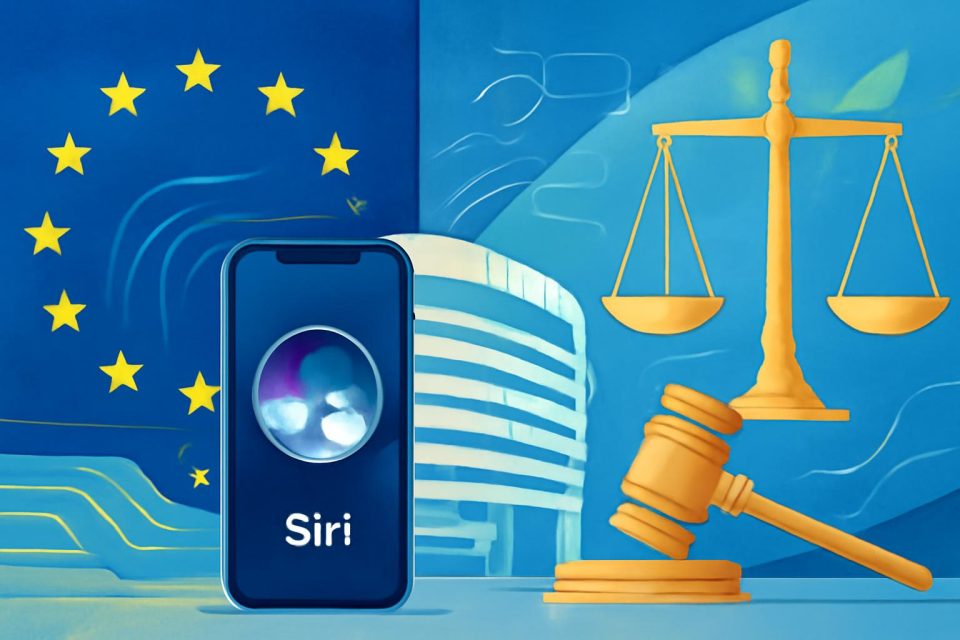
The European Union has rejected Apple's claims regarding the delayed launch of its AI-powered Siri. EU officials state that Apple alone is responsible for ensuring its products meet regulatory requirements. Apple had cited the EU's Digital Markets Act as a reason for not releasing Siri AI in Europe. The EU insists that the law does not prevent new product introductions.Listen to this article in summarized format
Apple unveiled the AI overhaul for the iPhone on Monday, with a strengthened Siri -- dubbed Siri AI -- with the ability to imitate natural communication, track information across apps like Maps and Mail and carry out tasks.
In a statement, the US company said it could not offer Siri AI in Europe because of the EU's online competition rules, known as the Digital Markets Act (DMA).
But EU digital affairs spokesman Thomas Regnier said "the decision not to roll out Siri AI in the EU is Apple's and Apple's only, because absolutely nothing in the DMA prohibits Apple from introducing new products in the EU".
Under EU rules, the world's largest digital companies must ensure their products are interoperable, requiring Apple to open its products to features produced by its rivals.
"Apple was simply unable to develop interoperability solutions that meet essential EU privacy and security standards," he told reporters.
Apple sought an exemption from the EU's interoperability rules, Regnier said, but the European Commission did not give the green light.
An exemption was "not an option", he explained, as it would mean favouring Apple's Siri, powered by fellow tech giant Google, on its own products.
Other AI agents would not "have an equal chance to be chosen by iPhone users".
It is not the first time the EU and Apple have butted heads over the rules.
Apple last year called for the DMA to be repealed and has in the past blamed the EU's rules for delays in rolling out other features.