Synopsis
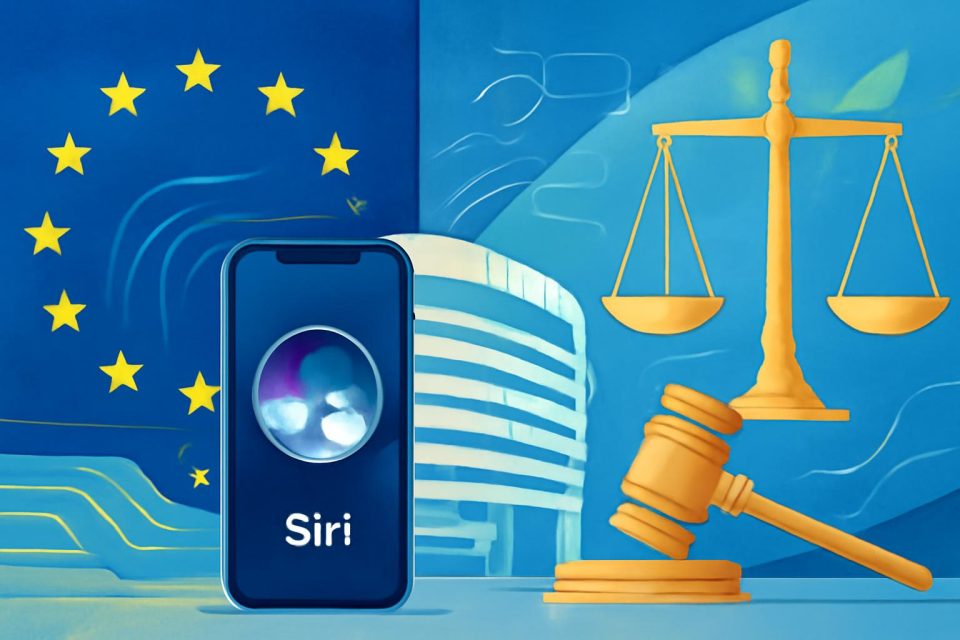
European Union regulators have rejected Apple's plea to delay the launch of its new Siri AI in the EU. Apple had sought an 18-month exemption, citing privacy and security concerns related to EU tech rules. Regulators state the decision rests solely with Apple, asserting that EU regulations do not prevent new product introductions.Listen to this article in summarized format
The iPhone maker on Tuesday said Siri AI would not be available initially in the EU on iPhones or iPads and faulted the European Commission for refusing to engage constructively with them to ensure privacy and security on their devices.
It told regulators of its plans to introduce an intermediary over an 18-month period to allow virtual assistants to access Siri AI safely but the request was turned down.
The Commission repudiated Apple's criticism.
"The decision not to roll out Siri AI in the EU is Apple's and Apple's only," spokesperson Thomas Regnier told reporters in Brussels, saying there was nothing in the Digital Markets Act to stop the company from introducing new products in the EU.
"Apple was simply unable to develop interoperability solutions that meet essential EU privacy and security standards," Regnier said.
"Instead of trying to find a suitable compliance solution, Apple simply made a request to the European Commission to be exempted from their interoperability obligations under the DMA - and this for at least 18 months. That's not an option."
Europe accounted for nearly 27% of Apple's total sales in its last fiscal year. The company does not break out sales for the EU.
Apple last year said the DMA had forced it to postpone the rollout of several features in the EU, including iPhone mirroring to Mac and live translation with AirPods as well as location-based features in Maps.
The DMA aims to rein in the power of Big Tech, give rivals more leeway to compete and consumers more choice. DMA breaches can cost companies fines as much as 10% of their global annual turnover.