Proving the business value of generative AI is essential for technology and finance leaders seeking ongoing funding for projects. The DORA report on the ROI of AI-assisted software development provides a framework to navigate early adoption challenges and align engineering plans for business growth.
Understanding the J-Curve of AI Value Realization
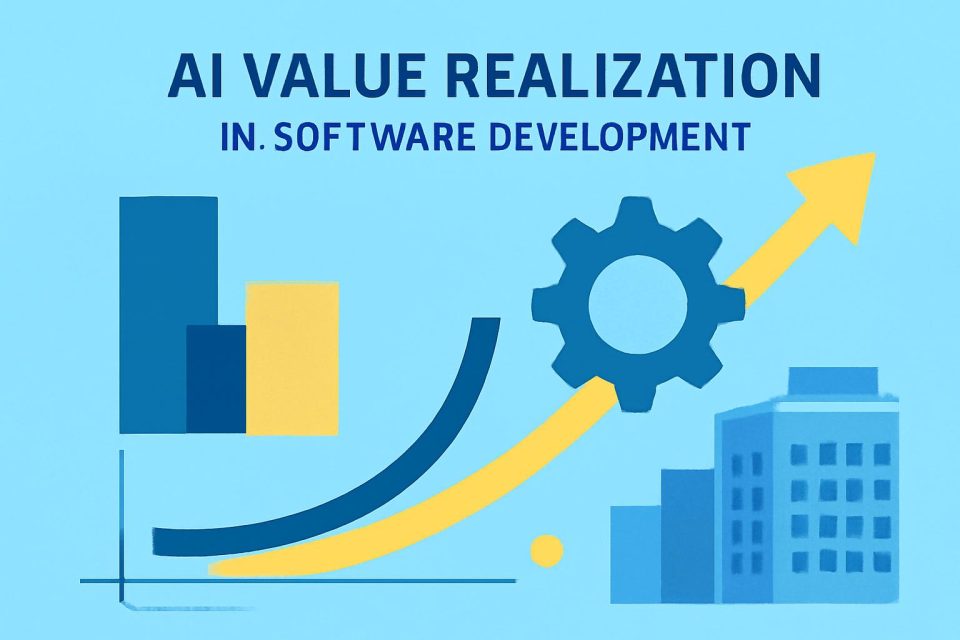
AI investments often follow a J-curve pattern, where organizations may initially experience a dip in productivity. This is a typical phase during the adoption of new technology, not an indication of failure. Key factors contributing to this include:
- The learning curve: Teams need time to adapt workflows and master new techniques.
- The verification tax: Increased code volume necessitates thorough review processes to ensure quality.
- Pipeline adaptation: Faster code generation can create bottlenecks in testing and approvals.
Budgeting for this initial phase is critical to maintaining momentum in AI projects.
Market Divide on AI Returns
Despite 90% of organizations reporting AI usage, financial impacts vary significantly. Some companies reap clear benefits, while others face unexpected costs. Success often hinges on the organizational support available to teams adopting new technologies.
Importance of Calculating AI ROI
To build a realistic financial model for AI, organizations should identify areas where AI adds value, such as:
- Cost reduction
- Increased productivity
- Enhanced security
- Improved user experience
Utilizing an interactive ROI calculator can help organizations forecast both visible expenses and hidden costs associated with AI adoption.
Next Steps
- Download the full DORA report to explore the framework for quantifying AI investments and navigating the J-curve.
- Try the interactive ROI calculator to estimate potential returns and build a solid business case.