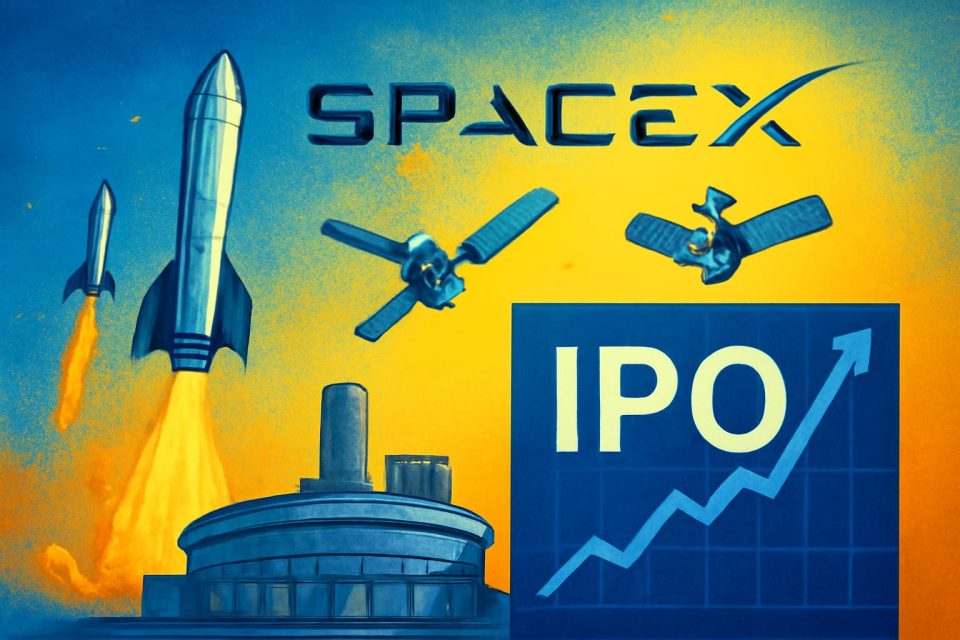
On its first day of trading, SpaceX's stock surged to $150, exceeding its IPO price of $135, and peaked at $176 during midday trading. This remarkable performance propelled the company's market capitalization to nearly $2.3 trillion, positioning SpaceX as the sixth most valuable public company in the United States.
The strong demand for SpaceX shares was anticipated, as the IPO was oversubscribed by four times, indicating significant interest from institutional investors who may not have received allocations and are now purchasing shares on the open market.
Factors contributing to this demand include SpaceX's limited float, with only about 4% of shares available for trading. The rest are held by early investors and employees. Additionally, SpaceX successfully influenced several indexes, such as the Nasdaq 100, to expedite their inclusion rules, further increasing demand as large institutions prepare to buy shares.
Robinhood reported unprecedented traffic on its trading platform following SpaceX's historic market debut, reflecting the heightened interest from retail investors.
This IPO marks one of the largest successes in venture capital history. Founders Fund, which invested $600 million for a 3% stake, stands to gain over $50 billion at the IPO price. Other major investors, including Andreessen Horowitz and Sequoia, have stakes valued at over $10 billion and $20 billion, respectively.
With the stock debuting at $150, Elon Musk has reportedly become the world's first trillionaire. Furthermore, approximately 4,400 current and former SpaceX employees are expected to become millionaires, while around 400 will reach centimillionaire status.