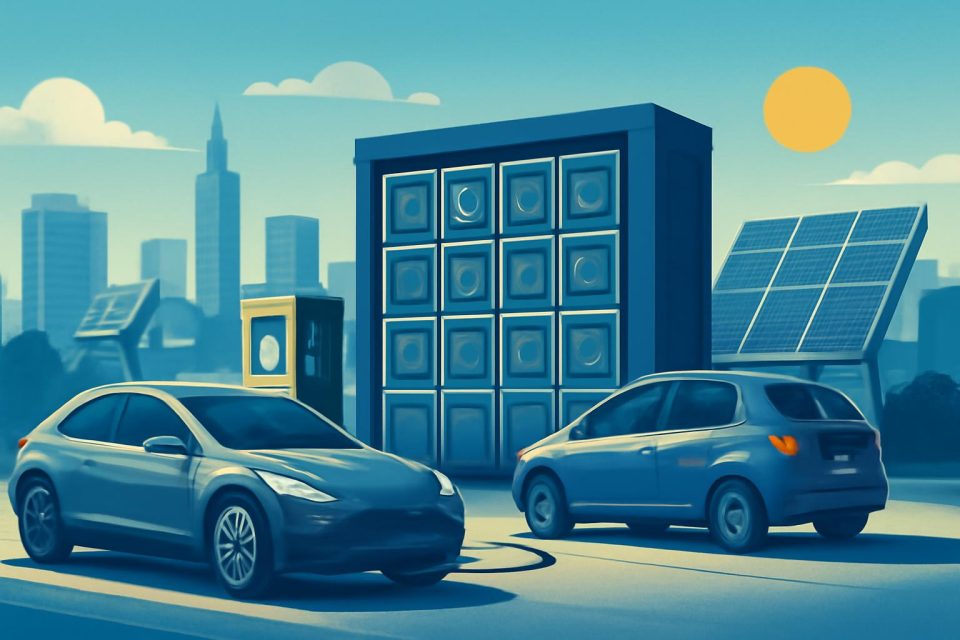
The energy storage market is witnessing a significant surge as major automakers like GM and Ford pivot their focus towards this sector. This shift comes in response to the growing electricity demands from data centers, particularly those supporting AI technologies.
Sales of large stationary batteries have seen remarkable growth, doubling over the past two years. The Solar Energy Industries Association forecasts that annual installations will reach over 110 GWh by 2030, despite recent cuts to incentives.
Market Drivers:
- Data Centers: The demand for energy from data centers is expected to nearly triple by the end of the decade.
- Electrification: Various sectors, including transportation and manufacturing, are increasingly electrifying their operations.
Kurt Kelty, GM's vice president of battery and sustainability, noted that while data centers are a significant contributor to this growth, the market was already gaining momentum before their rise.
GM is making strides in this arena with the introduction of a new sodium-ion battery chemistry, aiming to capitalize on the expanding market. This new technology is seen as a cost-effective alternative with several advantages over traditional lithium-ion batteries, including lower material costs and improved durability.
Competitive Landscape:
Currently, Tesla dominates the energy storage market, accounting for 82% of the 57 GWh installed last year. The company's revenues from energy generation and storage have doubled, driven by the success of its Megapack and Powerwall products. In contrast, GM's gross margins have historically been lower, averaging just over 11%.
Despite the potential of the energy storage market, GM is taking a cautious approach. The sodium-ion cells are not expected to be market-ready until later this decade, as GM aims to develop a product that meets the needs of the evolving market.
Future Prospects:
GM is also exploring other battery chemistries, including lithium-manganese-rich (LMR) batteries, which are set to debut in 2028. These batteries promise to reduce EV costs by approximately 10%, making electric vehicles more competitive with traditional fossil fuel vehicles.
While sodium-ion batteries present a promising alternative, they come with trade-offs, such as increased weight and reduced range. However, their lower risk of fire and potential for rapid charging make them an attractive option for budget-conscious consumers.
As the energy storage market evolves, GM remains focused on innovation and product development. The company is aware of the risks associated with a slower market entry, particularly if the demand for data centers wanes. Nevertheless, GM's commitment to developing high-quality products positions it well for future opportunities.
Conclusion:
The entry of automakers into the energy storage market reflects a broader trend of electrification across various industries. With increasing energy demands and advancements in battery technology, the future of energy storage looks promising.