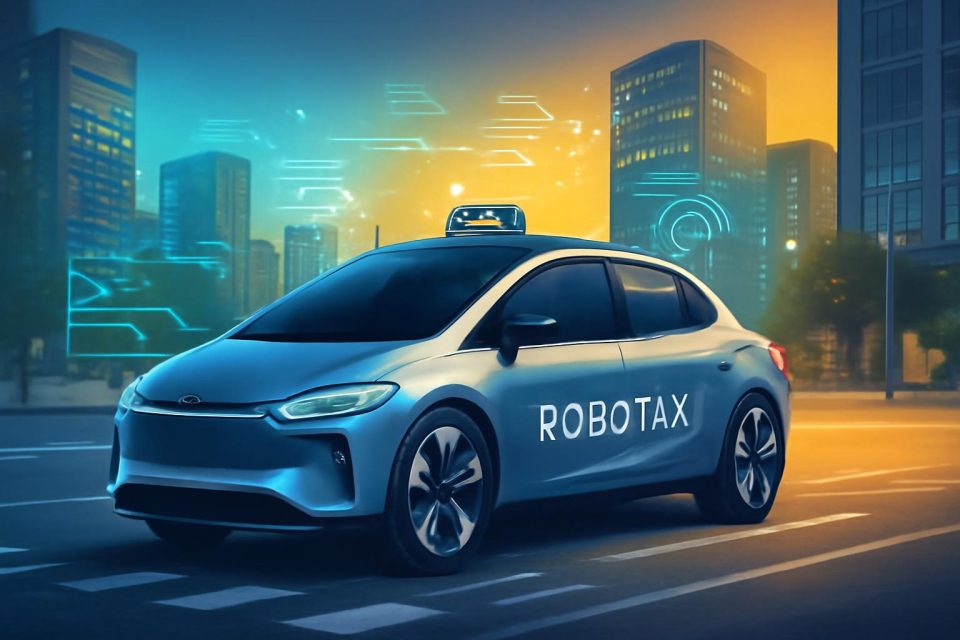
Chinese electric vehicle manufacturer Xpeng has officially begun mass production of its inaugural robotaxi at its headquarters in Guangzhou. This initiative is part of the company's broader strategy to enhance its focus on driverless technology and robotics.
The new robotaxi, developed on Xpeng's GX platform, is notable for being the first production-ready model created entirely with in-house technologies. Xpeng aims to achieve fully driverless operations by early 2027, a goal that reflects the increasing competition in the electric vehicle market.
Production Plans
Xpeng's production plans are ambitious, with expectations to manufacture hundreds to thousands of robotaxis over the next 12 to 18 months. This scale of production is intended to meet the growing demand for autonomous vehicles.
Upcoming Pilot Operations
The company is set to initiate pilot robotaxi operations in the latter half of this year. These tests will provide valuable insights and data to refine the technology and operational strategies.
Market Context
As competition heats up in the world's largest auto market, Xpeng is positioning itself as a key player in the driverless vehicle sector. This move aligns with global trends towards automation and sustainable transportation solutions.
Key Takeaways
- Xpeng has started mass production of its first robotaxi.
- The company targets fully driverless operations by early 2027.
- Pilot operations are expected to begin in the second half of this year.
- Production plans include hundreds to thousands of units in the coming months.
What to Expect
As Xpeng rolls out its robotaxi fleet, stakeholders can anticipate advancements in autonomous driving technology and increased competition in the EV market. Continued monitoring of pilot operations will be crucial for understanding the feasibility and public acceptance of driverless vehicles.