Engineering teams often develop command-line interface (CLI) tools to streamline repetitive tasks such as report generation and infrastructure audits. A well-designed CLI enhances reliability and efficiency by replacing ad-hoc scripts with structured commands. However, the traditional development process can lead to bottlenecks, as developers become the sole maintainers while requests for new features pile up.
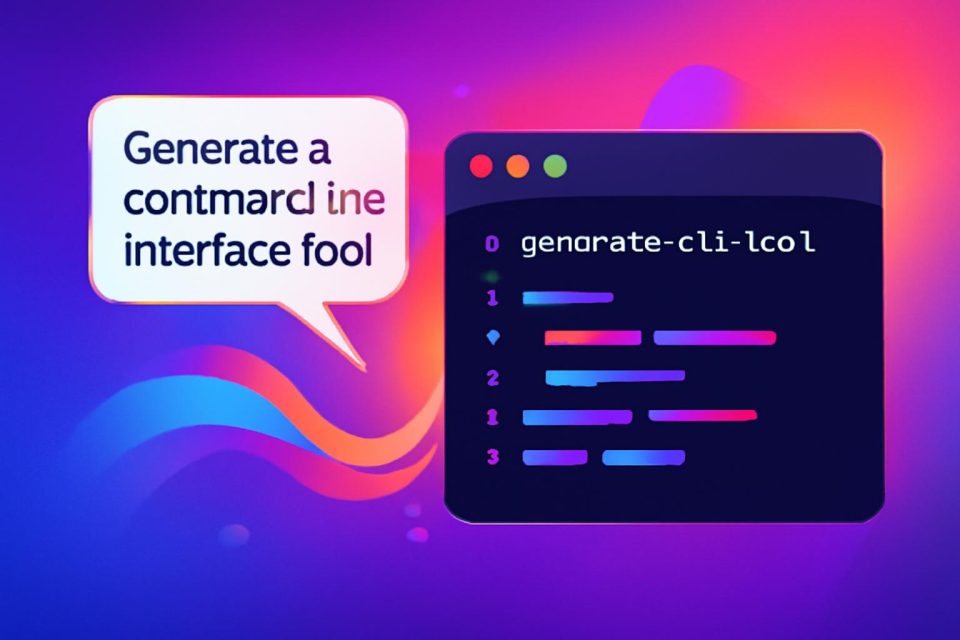
Meta-tooling offers a solution by enabling tools to generate their own capabilities on demand. Users can describe their needs in natural language, and the tool autonomously writes and loads the necessary code at runtime, eliminating the need for manual coding and reducing development time significantly.
Introducing CLI Creator
CLI Creator exemplifies this meta-tooling approach, integrating three key technologies to facilitate self-extending CLI capabilities:
- Amazon Bedrock: Provides foundational model access for code generation.
- Strands Agents SDK: Manages runtime tool orchestration.
- Model Context Protocol (MCP): Enables dynamic discovery of external API knowledge.
This combination allows organizations to transform requests into functional CLI commands within minutes rather than days.
Real-World Application
For example, a platform engineering team may need to produce weekly operation reports detailing their AWS footprint. Instead of writing separate Python scripts for each report, they can utilize CLI Creator to generate the required tools dynamically. This not only saves time but also allows for iterative refinements based on evolving requirements.
Key Features of CLI Creator
CLI Creator's architecture includes:
- Dynamic Tool Creation: Users can request new tools through natural language, which the system generates and saves as Python files.
- Self-Extension: Each generated CLI can create and refine tools at runtime without restarting or redeploying.
- Version Control: Changes are tracked using Git, allowing users to create, update, and revert tools seamlessly.
How It Works
The process begins with a natural language description of the desired tool. The Strands Agents SDK analyzes this input, generating a structured specification. It then uses Amazon Bedrock to create the corresponding Python code, which is validated through a series of post-conditions to ensure reliability.
Iterative Refinement
Once a CLI is generated, users can refine it by describing changes in natural language. The system commits the current version to Git before applying updates, allowing for easy tracking of modifications and the ability to revert if necessary.
Conclusion
The meta-tooling pattern demonstrated by CLI Creator illustrates a powerful approach to developing dynamic CLI tools. By leveraging Amazon Bedrock and the Strands Agents SDK, organizations can significantly reduce development time while enhancing the flexibility and usability of their command-line tools.
Next Steps: To explore this pattern further, organizations can start by accessing Amazon Bedrock and the Strands Agents SDK, and consider forking the CLI Creator source code from GitHub.